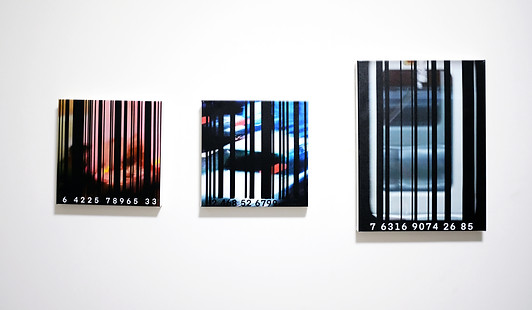
Simulacrum
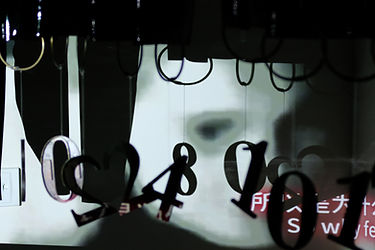
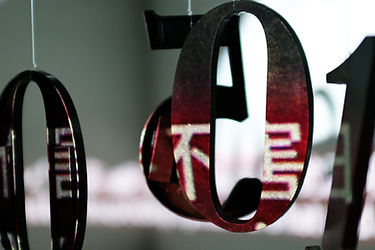
Installation, video, oil on canvas
5'51’ 260cm*200cm
In contemporary society, the boundary between reality and fiction has become increasingly unstable. Images, simulations, artificial environments and symbolic signs no longer simply represent reality. They begin to reshape it, and sometimes appear more convincing than reality itself. This creates a condition of hyperreality, where it becomes difficult to distinguish between what is real and what has been constructed.
Within this condition, the virtual and the artificial have become part of everyday life. They shape how people see, desire, consume and understand the world. A digital image, a branded object or a staged experience can carry more emotional and social value than the reality it refers to.
The work reflects on this contradiction. People are increasingly drawn to things that feel more perfect, intense or controllable than ordinary reality. Yet this desire for the unreal is also closely tied to consumerism, where fantasy is continuously produced, packaged and sold. Hyperreality is therefore not only a visual condition, but also a psychological and social one, revealing how contemporary life is shaped by desire, illusion and consumption.
在当代社会中,现实与虚构之间的边界变得越来越不稳定。图像、模拟环境、人造景观和符号不再只是对现实的再现,它们开始重新塑造现实,甚至有时比现实本身更具说服力。由此,人们进入一种“超真实”的状态,在这种状态中,真实与被建构出来的事物之间的区别变得越来越难以辨认。
在这种语境下,虚拟与人造之物已经成为日常生活的一部分。它们影响着人们观看、欲望、消费和理解世界的方式。一张数字图像、一个品牌物件,或一次被精心设计的体验,都可能比其所指向的现实本身承载更多情感和社会价值。
作品所反思的正是这种矛盾。人们越来越被那些比普通现实更完美、更强烈、更可控的事物所吸引。然而,这种对“非真实”的欲望也与消费主义紧密相连。幻想被不断生产、包装,并再次出售给我们。因此,超真实不仅是一种视觉状态,也是一种心理和社会状态。它揭示了当代生活如何被欲望、幻象和消费共同塑造。